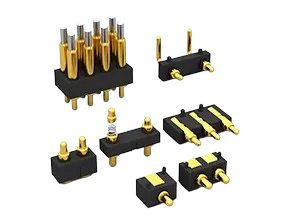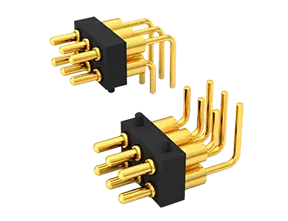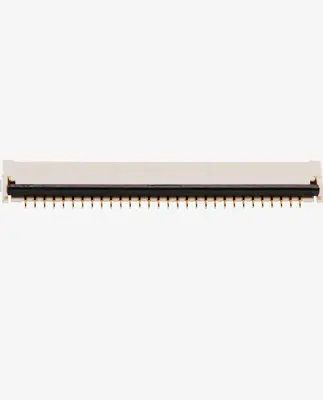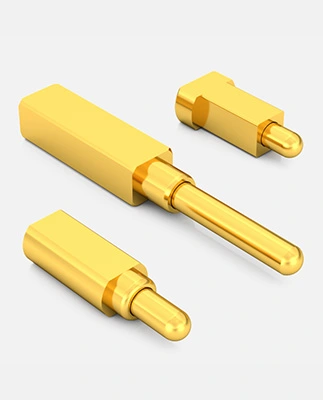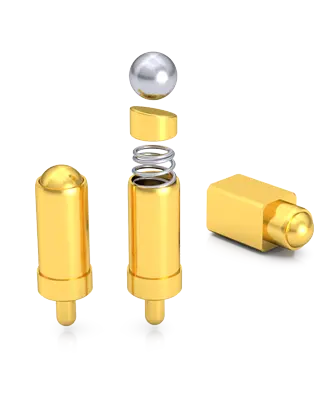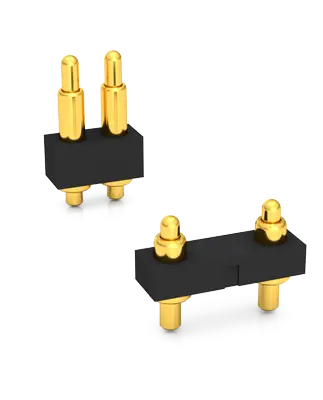


Pogo pins are spring-loaded electrical connectors that provide temporary, high-reliability connections between electronic components. These precision mechanical contacts get their name from their pogo stick-like spring mechanism, which allows for vertical movement while maintaining consistent electrical contact pressure. Pogo pins have become essential components in modern electronics design due to their ability to create reliable connections that can withstand thousands of mating cycles.
At RTENCH, we manufacture pogo pins that serve numerous applications across industries. Our connectors are commonly used in test fixtures, charging docks, wearable devices, and other applications requiring robust, temporary electrical connections. The spring-loaded design compensates for minor dimensional variations and surface irregularities, ensuring stable electrical continuity even in demanding environments. This makes them particularly valuable in manufacturing test equipment, where components may need frequent connection and disconnection.
The effectiveness of a pogo pin depends on careful engineering of its mechanical and electrical characteristics. Several critical design factors influence performance:
Spring Mechanism: The heart of pogo pin functionality lies in its spring system, which must provide consistent force throughout the pin's compression range while maintaining structural integrity over thousands of cycles. RTENCH utilizes high-performance spring materials that resist fatigue and maintain specifications over extended use.
Contact Materials: The choice of plating material directly impacts conductivity, durability, and corrosion resistance. Gold plating over nickel is the most common configuration, offering excellent electrical properties with moderate cost. For more demanding environments, thicker gold plating or alternative materials like palladium nickel may be specified.
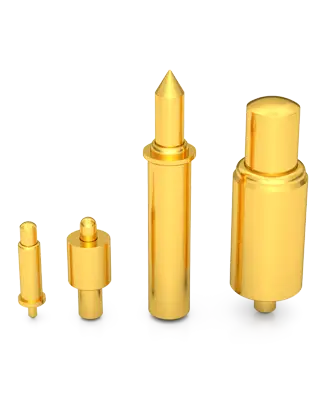
Pin Geometry: The shape and dimensions of the pin tip affect both electrical performance and mechanical reliability. Common tip styles include pointed, flat, and crowned configurations, each suited to specific applications. RTENCH engineers can recommend optimal geometries based on intended use cases.
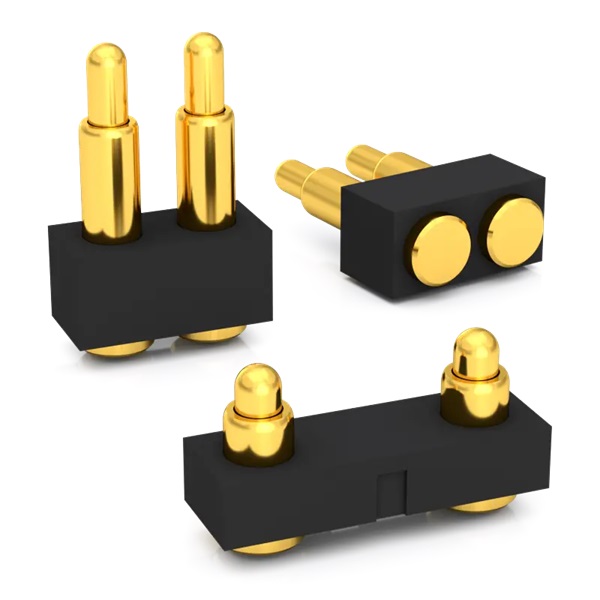
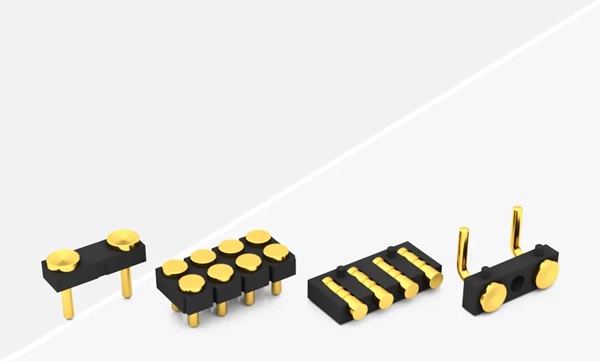
Proper installation is crucial for achieving the full performance potential of pogo pins. Different mounting methods suit various applications:
Installation Type | Process | Best For | Considerations |
Press-Fit | Pressed directly into plated through holes | High-volume production | Requires precise hole diameter control |
Soldered | Conventional soldering to PCB pads | Prototypes & reworkable designs | Thermal management critical |
Threaded | Secured with retaining nuts | Applications needing extra stability | Adds vertical profile |
SMT (Surface Mount) | Reflow soldered to pads | Space-constrained designs | Spring force limitations apply |
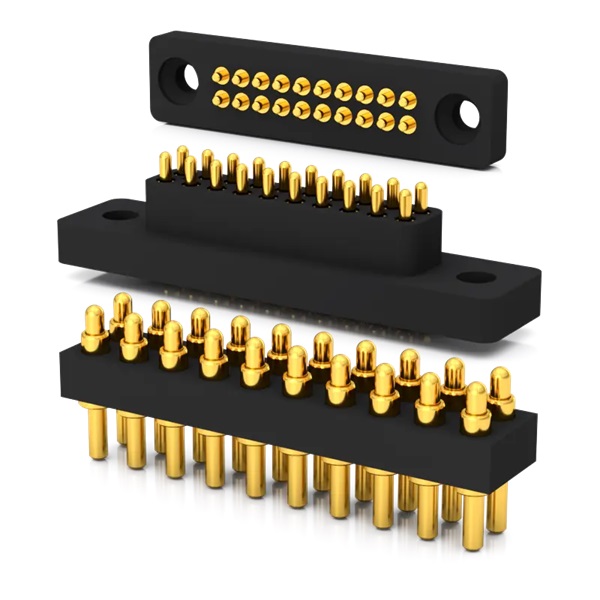
Even with high-quality components like RTENCH pogo pins, occasional issues may arise that require troubleshooting:
Connection Intermittency: Often caused by contamination or plating wear. Gentle cleaning with isopropyl alcohol or contact cleaner can restore conductivity. For persistent issues, inspect for mechanical damage or spring fatigue that might require replacement.
Misalignment Problems: Manifest as inconsistent mating or excessive wear patterns. Verify that mating surfaces are parallel and guide features are properly engaged. Mechanical stops or alignment pins can help correct severe misalignment.
Reduced Spring Force: Typically indicates spring fatigue after extensive use. Check compression characteristics against original specifications. RTENCH pins are designed to maintain force within tolerances through rated lifecycles, but eventual replacement may be necessary.
Corrosion Issues: Appear as discoloration or increased resistance. For harsh environments, consider upgrading to more corrosion-resistant plating options or adding protective coatings.
By understanding these common failure modes and their solutions, users can maintain optimal performance throughout the connector's service life. RTENCH technical support is available to assist with troubleshooting specific application challenges and recommend appropriate corrective actions.
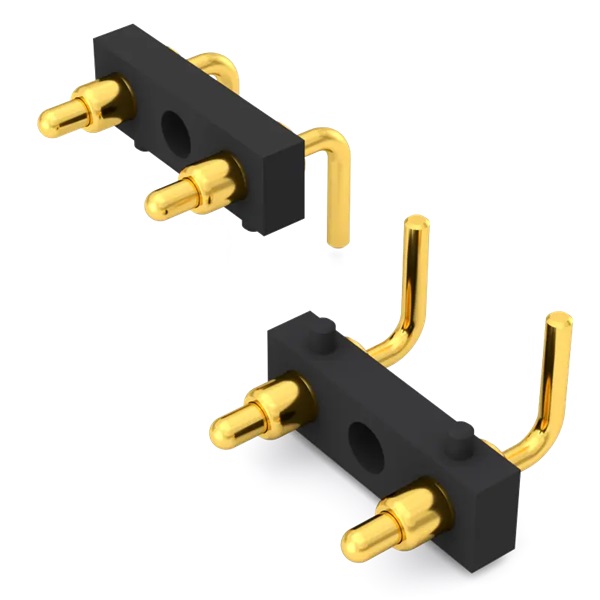
RTENCH's expertise in pogo pin technology spans design, manufacturing, and application support. Our commitment to quality ensures reliable performance across all stages of product development and deployment. For more information about our pogo pin solutions and technical resources, visit our website or contact our engineering team.
Related Pogo Pin Connectors
Pogo Pin Connectors Related News