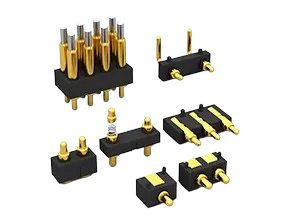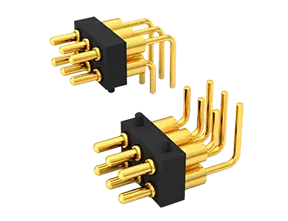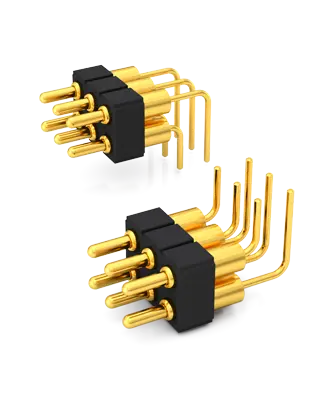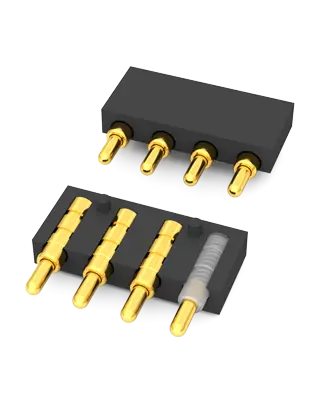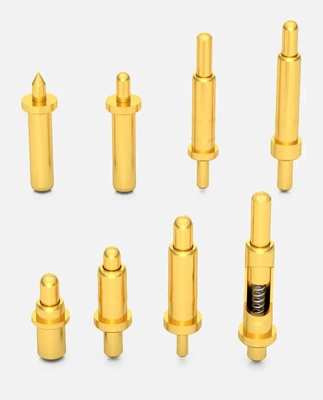

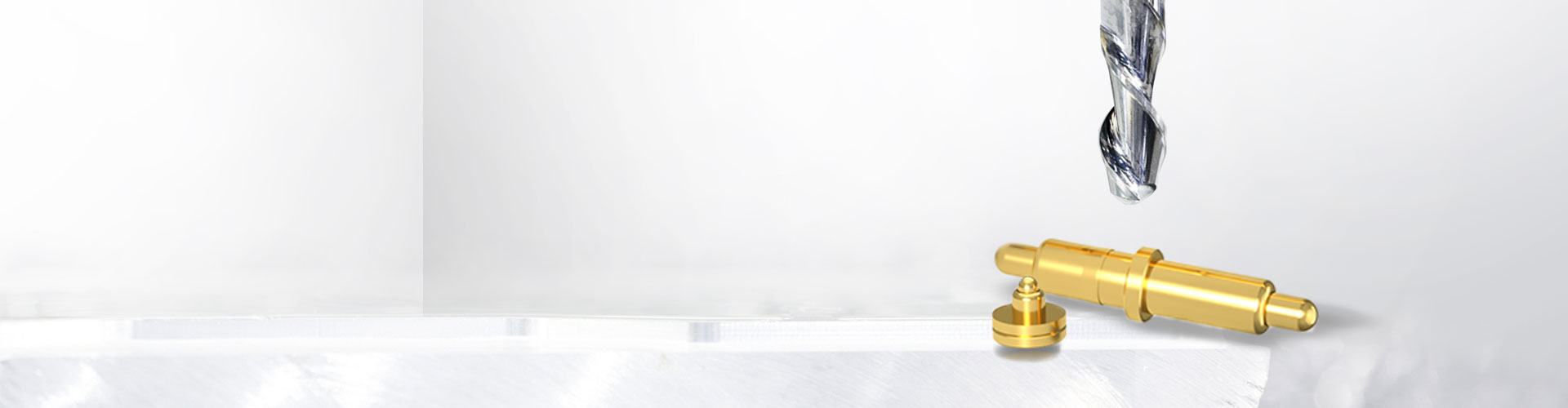
Pogo pins are spring-loaded electrical contacts that provide reliable, temporary connections in various electronic applications. The female pogo pin connector serves as the receiving half of these precision contact systems, engineered to maintain consistent electrical conductivity while accommodating repeated mating cycles. Unlike the male counterpart which features a protruding spring-loaded plunger, the female version utilizes a specially designed receptacle to precisely guide and secure the male pin.
RTENCH's female pogo pin connector function through an ingenious mechanical design. The internal contact structure typically consists of a multi-fingered beryllium copper sleeve that gently grips the male pin while applying optimal contact pressure. This design allows for self-adjustment to minor misalignments while maintaining low electrical resistance. The spring mechanism within the male pin compresses upon insertion, creating a reliable electrical pathway that can withstand vibrations and mechanical shocks - a critical feature for applications like wearable devices and industrial equipment.
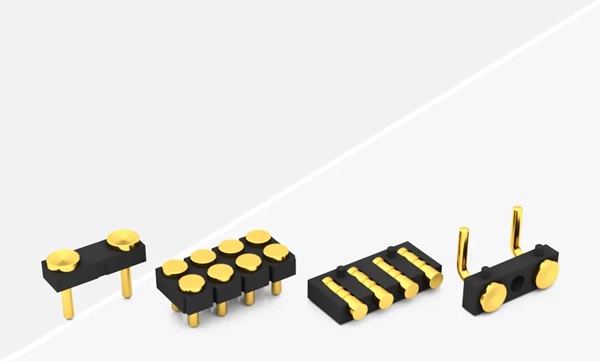
While both types serve essential roles in creating electrical connections, female and male pogo pin connectors have distinct characteristics that determine their ideal applications. The comparison reveals why proper matching is crucial for system reliability:
Characteristic | Female Pogo Pin Connector | Male Pogo Pin Connector |
Mechanical Action | Static receptacle with internal contacts | Spring-loaded plunger |
Primary Role | Provides secure anchoring interface | Delivers consistent contact pressure |
Durability Factors | Wear on contact surfaces | Spring fatigue over time |
Typical Use Cases | PCB-mounted charging ports, test sockets | Probes, battery contacts, test heads |
RTENCH engineers both connector types to work in perfect harmony, with female connectors often featuring gold-plated contact surfaces that reduce wear when paired with appropriately specified male pins. Industrial automation systems particularly benefit from this complementary relationship, where female connectors mounted on equipment interfaces reliably receive male pins from mobile units hundreds of times daily without performance degradation.
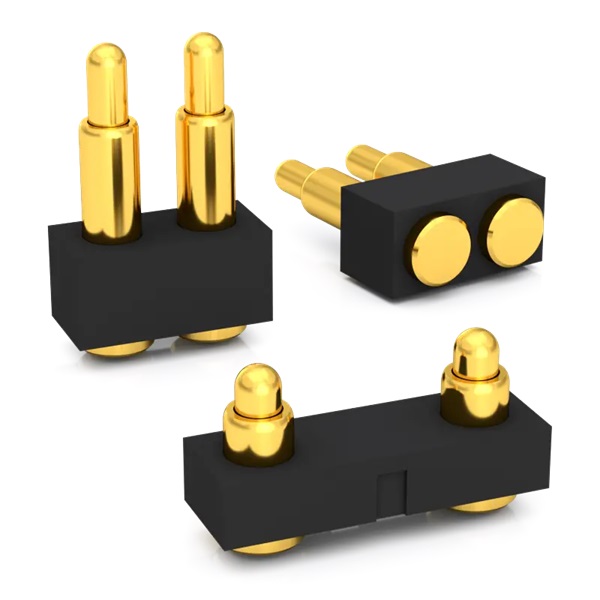
The unique advantages of female pogo pin connectors have led to their widespread adoption across multiple industries. In consumer electronics, they serve as the hidden heroes in wireless charging docks for smartwatches and earbuds, where their corrosion-resistant materials maintain conductivity despite exposure to moisture and daily wear. Medical device manufacturers rely on these connectors for critical monitoring equipment, where signal integrity must be preserved across thousands of connection cycles.
Industrial applications present some of the most demanding use cases. Robotic workstations utilize arrays of female pogo pin connectors for quick-change tooling systems, enabling automatic tool identification and power transfer without manual connections. Semiconductor testing equipment incorporates precision female connectors in probe cards that must maintain micro-level alignment tolerances while testing thousands of wafers. RTENCH has developed specialized versions with enhanced current-carrying capacity for electric vehicle battery testing rigs, where connectors must handle up to 20A continuously without overheating.
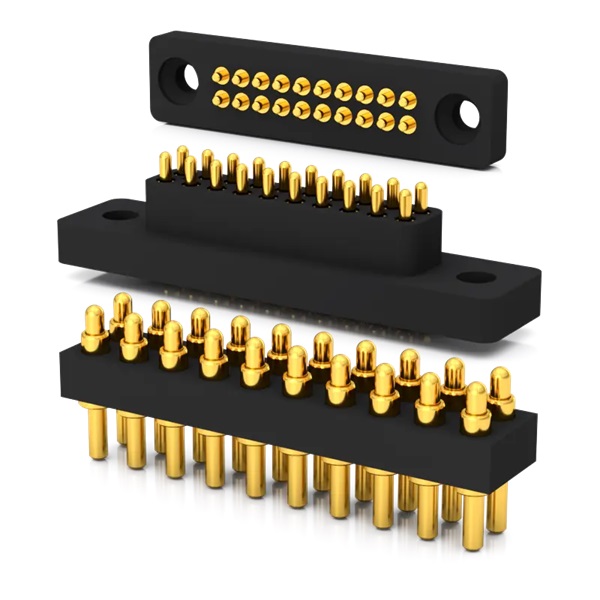
Selecting the optimal female pogo pin connector requires careful consideration of multiple technical parameters. Current rating represents a fundamental specification, with RTENCH offering standard models ranging from 0.5A for signal transmission to 10A for power applications in compact form factors. Contact resistance specifications become particularly important in precision measurement systems, where premium connectors maintain sub-10mΩ resistance even after 100,000 mating cycles.
Mechanical dimensions require precise matching to the male counterpart, including critical parameters like receptacle depth (typically 1.5-5.0mm) and insertion guiding geometries. RTENCH provides connectors with various plating options - gold over nickel for general applications, and thicker hard gold (up to 2μm) for high-wear medical or industrial uses. Environmental specifications cover operating temperature ranges (-40°C to +125°C for extended models) and sealing options up to IP68 for outdoor electronics. The company's technical datasheets provide detailed performance curves showing contact resistance stability across mating cycles and environmental conditions.
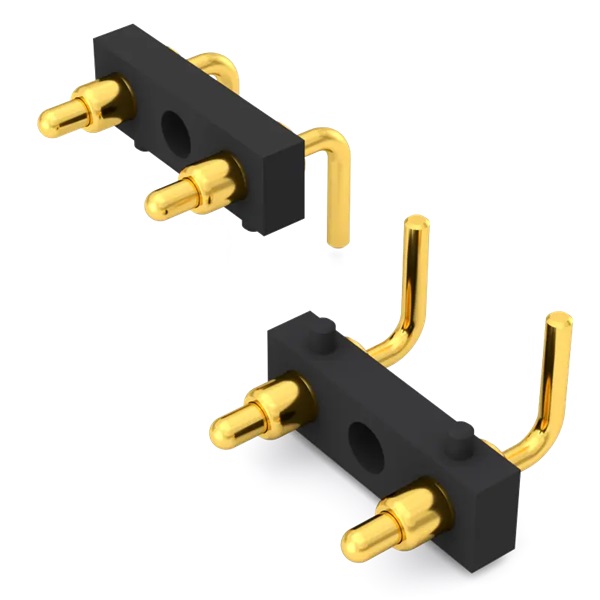
Successfully integrating female pogo pin connectors begins with a thorough analysis of application requirements. For space-constrained wearables, compact designs with 1.0mm pitch and low-profile housings preserve valuable PCB real estate. High-vibration environments like agricultural machinery demand connectors with additional mechanical retention features to prevent unintended disconnection while maintaining proper contact pressure.
Electrical requirements dictate material choices - beryllium copper contact clips offer superior spring characteristics for high-cycle applications, while phosphor bronze provides a cost-effective alternative for less demanding uses. The company's customization services can adjust parameters like spring force (typically 50-300g), contact geometry, and housing materials to create perfect solutions for specialty applications ranging from aerospace test equipment to underwater sensor networks.
By understanding these selection principles and leveraging RTENCH's engineering expertise, designers can implement female pogo pin connectors that deliver reliable performance throughout a product's lifecycle. Explore RTENCH's comprehensive pogo pin connector solutions to find the ideal match for your technical requirements and production needs.
Related Pogo Pin Connectors
Pogo Pin Connectors Related News