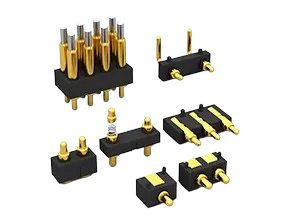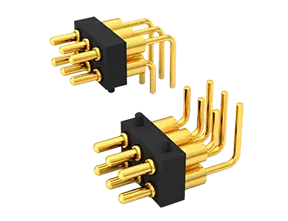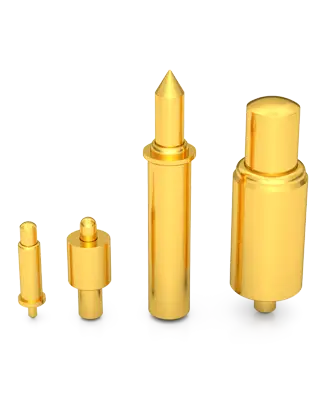


Pogo pin connections are widely used in electronic devices that require reliable electrical contact, repeated mating cycles, and compact designs. However, the performance of a pogo pin system depends not only on the spring-loaded pin itself but also on the design quality of the contact pad.
The shape, surface finish, material selection, and alignment of a contact pad directly influence contact resistance, durability, and signal stability. Poorly designed contact pads may cause unstable connections, increased wear, and reduced product reliability.
Rtench specializes in precision pogo pin connectors and contact solutions, providing customized designs for consumer electronics, industrial equipment, testing systems, and other applications. Understanding different contact pad designs helps engineers select the right solution for their products.
A contact pad is the conductive surface that connects with the tip of a pogo pin. When the pogo pin compresses against the pad, electrical current passes through the contact interface and creates a stable electrical connection.
Unlike traditional soldered connections, pogo pin systems are designed for repeated connection and disconnection. Therefore, the contact pad must maintain consistent electrical performance under mechanical movement.
A properly designed pogo pin contact pad can improve connection reliability by reducing contact resistance and maintaining stable signal transmission during repeated use.
Key functions of a contact pad include:
Providing a stable electrical interface: The pad creates the conductive area where current transfers between the pogo pin and PCB.
Supporting repeated mating cycles: A durable pad surface helps maintain performance during frequent connection and disconnection.
Improving mechanical reliability: Proper pad design helps the pogo pin maintain accurate contact positioning.
The quality of the contact interface directly affects the lifespan and reliability of the entire pogo pin assembly.
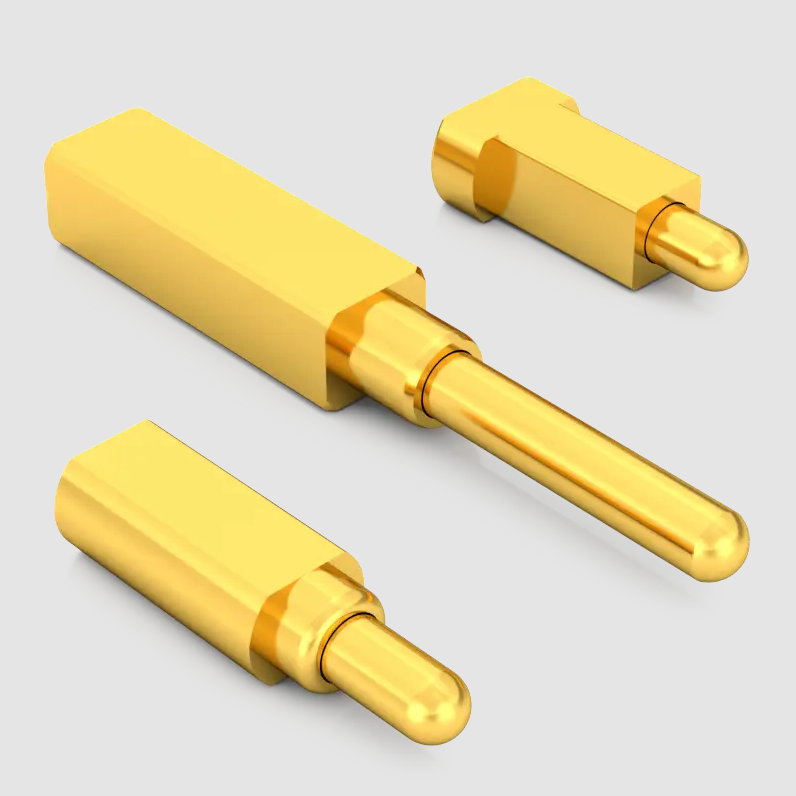
Different contact pad structures provide different advantages depending on application requirements, mechanical tolerance, and available installation space.
Flat contact pads are widely used because of their simple structure and easy PCB integration. They are suitable for applications where alignment accuracy is well controlled and manufacturing complexity needs to be minimized.
Concave contact pads create a guiding effect by helping the pogo pin tip remain centered during contact. This design is useful when slight alignment variations exist between mating components.
Side contact pads are designed for space-limited applications where traditional vertical contact structures cannot meet product requirements. They allow engineers to create thinner and more compact electronic assemblies.
| Feature | Flat Pad | Concave Pad | Side Contact Pad |
| Alignment capability | Standard | Better positioning | Suitable for special layouts |
| Manufacturing complexity | Low | Medium | Medium |
| Space efficiency | Good | Good | Excellent |
| Typical applications | General PCB connections | Precision electronic devices | Compact electronic products |
The correct pad structure depends on product design, mechanical tolerance, installation environment, and expected connection frequency.
Installation method has a significant influence on assembly efficiency, mechanical strength, and PCB layout flexibility.
Surface mount technology (SMT) has become increasingly popular in modern electronic manufacturing because it supports automated assembly and high-density PCB designs. An SMD contact pad solution allows manufacturers to create compact electronic products while maintaining reliable electrical performance.
Through-hole installation can provide stronger mechanical support for applications exposed to higher physical stress. However, this method usually requires more PCB space and may increase assembly complexity.
When selecting an installation method, engineers should consider product structure, manufacturing process, and operating conditions. For portable electronics, testing equipment, and compact devices, SMD-based designs are often preferred because they offer better compatibility with automated production lines.
Surface finish plays an important role in maintaining the long-term reliability of pogo pin connections. During repeated mating cycles, the contact area experiences friction, which may gradually affect electrical performance.
A suitable surface treatment helps reduce oxidation, maintain conductivity, and extend the service life of the contact interface.
Important considerations include:
Contact material selection: Different materials provide different levels of conductivity, durability, and corrosion resistance.
Plating thickness: Proper plating helps maintain stable performance during repeated contact cycles.
Environmental conditions: Humidity, dust, and temperature changes can influence contact reliability.
Expected mating cycles: High-frequency connection applications require stronger wear resistance.
Gold plating is commonly used in precision electronic contacts because of its excellent conductivity and corrosion resistance. For applications requiring long-term reliability, surface finish selection should be considered during the early design stage.
Rtench provides precision pogo pin solutions with customized options to meet different durability and performance requirements.
The interaction between pogo pin tip geometry and contact pad design directly affects electrical stability and mechanical performance.
Different pogo pin tips create different contact patterns. Sharp tips can provide stronger contact penetration, while rounded tips may reduce surface damage during repeated connection cycles.
When selecting a pogo pad, engineers should evaluate the relationship between pin and pad design, including contact force, pad size, alignment tolerance, and connection frequency.
A suitable combination of pogo pin tip and contact pad structure helps achieve stable electrical performance while minimizing mechanical wear. Testing different combinations during the early design stage allows engineers to identify potential issues before mass production.
Selecting the correct pogo pin contact pad requires balancing electrical requirements, mechanical design, manufacturing efficiency, and product lifespan.
Engineers should evaluate:
Application environment: Consider temperature, humidity, vibration, and other operating conditions.
Connection requirements: Evaluate expected mating cycles, signal requirements, and contact stability.
Design limitations: Consider PCB space, assembly method, and customization needs.
A professional supplier can provide technical guidance and help optimize the contact structure according to specific product requirements.
Rtench provides customized pogo pin connector solutions with precision manufacturing capabilities for consumer electronics, industrial equipment, testing systems, and other applications. Through engineering support and quality control, Rtench helps customers achieve stable and reliable connection performance.
Pogo pin contact pad design plays an important role in achieving reliable electrical connections. Factors such as pad shape, installation method, surface finish, and tip alignment all influence connection performance and durability. By selecting suitable contact structures and working with an experienced supplier like Rtench, engineers can improve product reliability, reduce maintenance issues, and create more durable electronic devices.
A pogo pin contact pad provides the conductive surface that connects with a spring-loaded pogo pin to complete an electrical circuit.
Concave pads can provide better alignment performance, but the best choice depends on product design and application requirements.
Surface finish influences conductivity, corrosion resistance, contact resistance, and connection lifespan.
Yes. Pogo pin systems are designed for applications requiring frequent mating and unmating cycles.
Material selection, surface treatment, contact force, and alignment accuracy all affect contact resistance.
Engineers should evaluate customization capability, manufacturing precision, quality control, and technical support.
Pogo Pin Connectors Related News