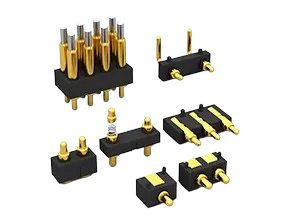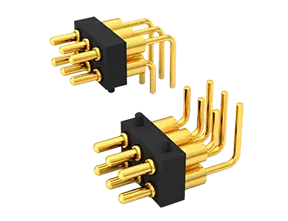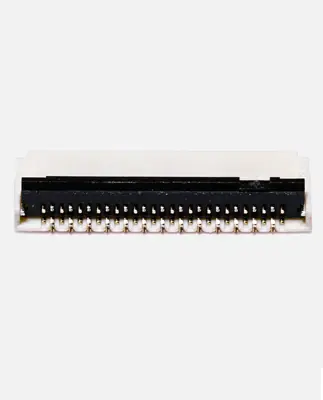


Choosing the right pogo pin supplier is important for companies developing electronic products that require reliable electrical connections, compact dimensions, and repeated mating cycles. Pogo pins are widely used in charging devices, testing equipment, consumer electronics, industrial systems, and customized connector assemblies.
Supplier capability directly affects product reliability. Material quality, plating, spring force, dimensional accuracy, testing procedures, and customization support can all influence electrical performance and service life.
Rtench specializes in precision pogo pin and connector solutions for different industries. Understanding what to evaluate before sourcing can help engineers and purchasing teams reduce development risks and identify a reliable long-term manufacturing partner.
Before requesting a quotation, buyers should clearly define the electrical, mechanical, and environmental requirements of the application. A professional pogo pin supplier should be able to review these requirements and recommend a suitable structure.
Important information to prepare includes:
Application: Charging, signal transmission, testing, industrial equipment, or another use.
Electrical requirements: Current, voltage, signal type, and expected electrical performance.
Mechanical requirements: Installation space, stroke, spring force, and expected mating cycles.
Operating conditions: Temperature, humidity, vibration, dust, or other environmental factors.
Providing complete information early helps reduce design revisions and allows the supplier to recommend suitable materials, plating, dimensions, and connector structures.
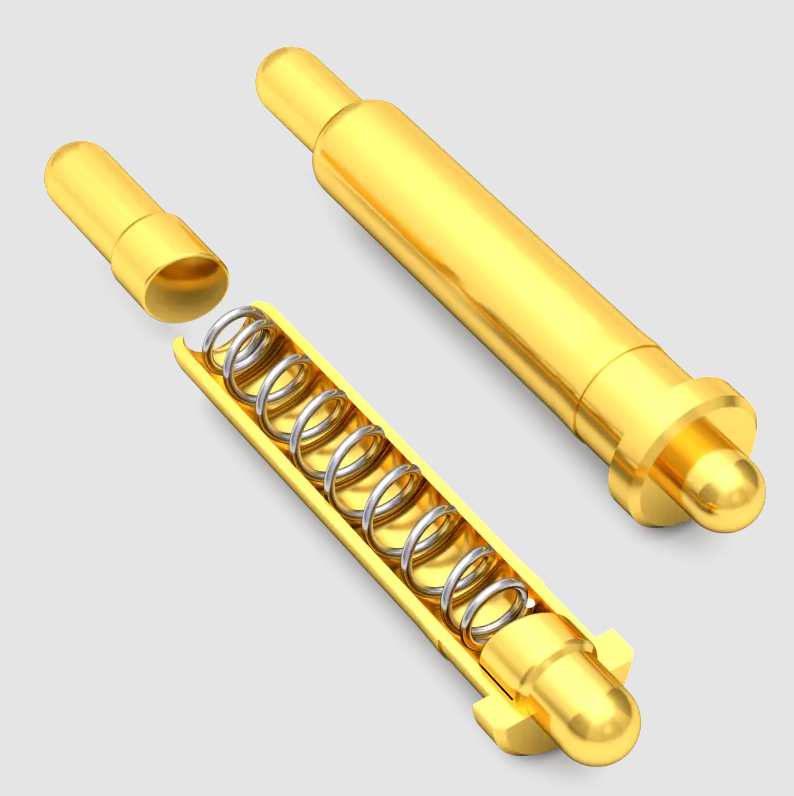
A pogo pin usually consists of a plunger, barrel, spring, and surface plating. Each component contributes to electrical and mechanical performance.
Buyers should pay particular attention to:
Material quality: Suitable metals help provide conductivity, strength, and wear resistance.
Surface plating: Plating affects contact resistance, oxidation resistance, and mating durability.
Spring force: The spring should maintain reliable contact without creating excessive pressure.
Dimensional tolerance: Tight manufacturing control helps ensure consistent assembly and positioning.
Requirements vary by application. Test fixtures may prioritize repeatable contact over thousands of cycles, while charging devices may require higher current capability and low resistance.
For this reason, buyers should compare technical specifications rather than choosing a component only by appearance or unit cost.
Testing provides evidence that a supplier can consistently manufacture pogo pins to the required specifications. Buyers should ask how incoming materials, production processes, and finished products are inspected.
| Quality Item | Why It Matters |
| Dimensional inspection | Confirms fit and assembly accuracy |
| Contact resistance test | Verifies electrical stability |
| Spring force test | Checks mechanical consistency |
| Plating/material records | Supports durability evaluation |
For companies comparing pogo pin connector manufacturers, quality systems and testing capability can be more important than small differences in price.
A reliable manufacturer should be able to provide relevant drawings, inspection data, material information, and test results when required for project qualification.
Standard pogo pins are usually the fastest option when existing dimensions and electrical ratings already meet the project requirements. They can shorten development time, reduce tooling costs, and simplify purchasing.
Custom designs become necessary when products have restricted installation space, unusual mechanical structures, special current requirements, or unique mounting conditions. Customization may involve adjusting overall length, stroke, spring force, plating, tip geometry, or connector housing design.
The decision should consider development volume, performance requirements, tooling investment, and expected product lifecycle. For low-risk applications, a standard component may be sufficient. For products where the connector is closely integrated with the mechanical design, a customized solution may provide better long-term performance.
Rtench supports both standard pogo pins and customized connection solutions for different product requirements.
Before approving a supplier, buyers should evaluate whether the manufacturer can support both development and future production.
Key points include:
Manufacturing capability: Equipment, process control, output capacity, and production consistency.
Quality control: Inspection procedures, testing methods, and traceability.
Customization support: Engineering communication, prototyping, tooling, and sample development.
Delivery capability: Lead time, volume scalability, packaging, and export support.
An RFQ should include drawings, required quantity, application information, electrical requirements, dimensions, testing expectations, and delivery schedule.
For higher-power applications, buyers may also need specialized components such as high current pogo pins, where current-carrying capability and thermal behavior require additional attention.
A structured RFQ makes supplier quotations easier to compare and reduces misunderstandings during development.
A strong supplier relationship goes beyond purchasing individual components. Engineering support, response speed, production stability, and quality consistency become increasingly important as a project moves from prototype to mass production.
Rtench provides pogo pin and connector solutions for consumer electronics, charging products, testing systems, and industrial applications. Its customization support allows customers to develop connection structures around specific electrical and mechanical requirements.
For buyers, the best partner is one that can maintain consistent specifications while also responding effectively when designs, volumes, or project requirements change.
Choosing the right pogo pin supplier requires a balanced evaluation of quality control, manufacturing capability, customization, testing, and production capacity. Materials, plating, spring force, and dimensional accuracy all affect the reliability of the final connection. Buyers should define technical requirements clearly, review quality evidence, and assess the supplier’s ability to support both prototypes and volume production. Rtench provides standard and customized pogo pin solutions to help customers achieve stable electrical performance and dependable long-term supply.
Pogo pins are widely used in consumer electronics, charging systems, test equipment, medical devices, and industrial products.
Customization is useful when standard products cannot meet requirements for size, current, spring force, mounting, or durability.
Plating helps control contact resistance, corrosion resistance, wear, and long-term electrical stability.
Typical checks include dimensional inspection, contact resistance, spring force, and durability testing.
Provide drawings, dimensions, electrical requirements, quantities, test expectations, and delivery needs.
Clear specifications, supplier audits, sample validation, and documented quality checks can significantly reduce procurement risk.
Related Pogo Pin Connectors
Pogo Pin Connectors Related News